

Did you know that almost one third of Romanian territory is mountain terrain in all forms this can be found?! And, using European country size standards, Romania is a reasonable big country. So we are talking about quite a respectable area covered by mountains.
Basically the Romanian Carpathians are split into three large groups: EASTERN, SOUTHERN and WESTERN. We don’t have a geographic Northern branch because this is already in Ukraine so we simply do not count it. Unfortunately, the geography here is still taught more on a national basis and not on a truly geographic border-less perspective.
On their insides, the three segments of the Romanian Carpathians surround Transylvania, the most known province of Romania. On their outer edges (East for Eastern ones, West for Western ones and South for Southern one) their slopes descend, gently in most cases, towards the old plains of Romania. All of them are crisscrossed by roads which connect the outer plains with the inner core, which is Transylvania and all their streams rush to gather in larger rivers which are collected in the Danube basin. No exception to this. As with other mountains, their geography defined the history of surrounding places and of the communities living nearby them.
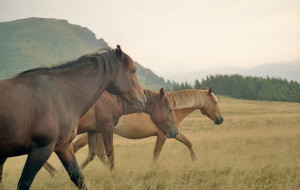 The Eastern Carpathians start, arbitrarily if you look only at the geographic perspective, on the Northern border of Romania with Ukraine, Maramures being the mountain shared by the two countries. They end in a weird overlap with the Southern ones around Brasov city. For instance, if you are skiing in Poiana Brasov, the most known ski resort in Romania, you will be in the Eastern Carpathians, while, if you are hiking just South of this massif, in Bucegi, you will be in the Southern ones. But I guess this will not cause you any dizziness. Maybe a little confusion!
In terms of outdoor activities, the most visited Eastern Mountains are Rodnei (the highest with 2303m), Ceahlău (the most legend surrounded mountain of Romania), Ciucaș, Piatra Mare, Baiului and Postăvaru, these ones because they are so very close to Bucharest.
 The Southern Carpathians are the very focus of Romanian mountaineering activity (that does not mean the others are not beautiful or appealing from an outdoor perspective). Because this group includes all the highest peaks (over 2400 and over 2500m) and the rockiest mountains of Romania and its mountains are easy accessible from big towns of Romania (Bucharest, Brasov, Sibiu). Fagaras (also known as the Transylvanian Alps), Piatra Craiului (the Kings’ Rock), Bucegi and Retezat are the most appealing mountains of Romania. Glacial landscape is maybe their defining geological feature, with glacial lakes making for best summer hikes.
At their Eastern end is Bucegi mountain, the most crowded mountain of Romania, and their Western end they reach the banks of the Danube, just across Serbia, where the big river dug up through rock making a splendid landscape out of the surrounding mountains.
The Western Carpathians are like no other. Starting from Poiana Rusca mountain and following a direct North line they close the arch close enough to where we started the description, close to the border with Ukraine. They are not that high but they are full of gorges and caves, some of them with glaciers inside, and spanned by villages where you will never expect one.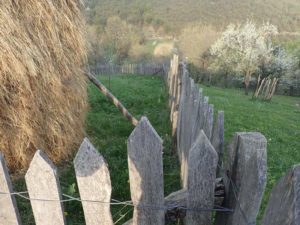
For instance, Cheile (Gorges) Turzii in Trascau Mountains is one of the big climbing arenas of the Romanian Carpathians.
All mountains of Romania are part of the Carpathians chain. All with a quite valorous exception. 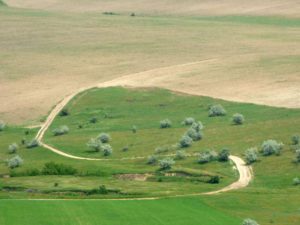 Close to the Romanian Black Sea seaside, in Dobrogea province, there is the one of the oldest mountain chains in the Europe. It is so old that the winds cut it during the last millennials that now it has only under 500 m in height. It is called Macin Mountains.
It could not be a more different mountain than the Carpathians. It is more like a Greek landscape than a Romanian one. But low as they are, these mountains are beautiful and unexpectedly rocky and, raising straight from the Danube plain, they give the impression of higher altitudes.


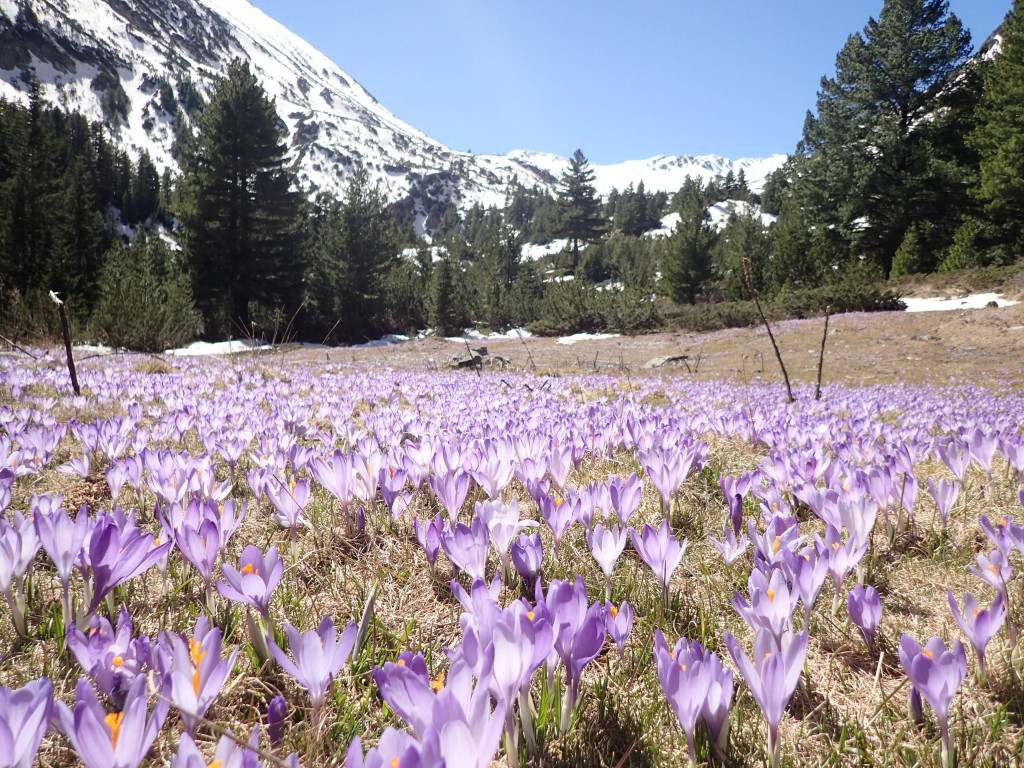


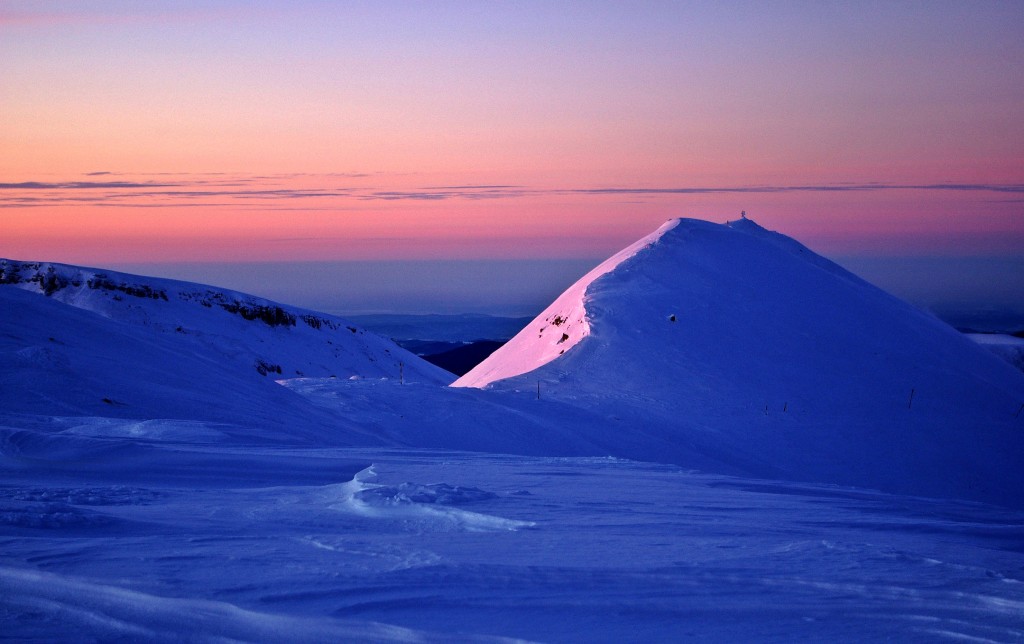
 Where there is a mountain there are also lots of trails to be hiked. No matter the season and no matter the type of terrain! You need to plan, document, prepare, check the conditions on the mountain wherever and however you can and just go. An hour in the outdoor worth a day in the city, two hours trade for two days and so on.
 As with the hiking, because of the tremendous network of mountain paved and unpaved roads as well as that of rural roads you can mountain bike just about any mountain in Romania. It is only about choosing the level of difficulty and matching this with your skills and your bike. You can bike on asphalt roads with hard to gain elevation, on rural roads covered in dust in summer or on meadows between houses. You can test your brakes on downhill technical trails or you can choose the flattest terrain you want. You can reach peaks by bike or you can go round them in their shadow.
 Not all mountains allow for classic rock climbing or for sport climbing. But there are plenty of areas which are well known as climbing focus points. For instance, the mountains around Brasov city (Bucegi, Piatra Craiului, Postavaru) are maybe the most developed in this sense.
 In Romania there is a community of cross-country and free-ride skiers which is growing fast. But the sport is still not a popular one. There are no dedicated clubs; there are no equipment stores at the bottom of the ski slopes from where you can rent skis, ski boots for special bindings and skins. Basically you must have your own.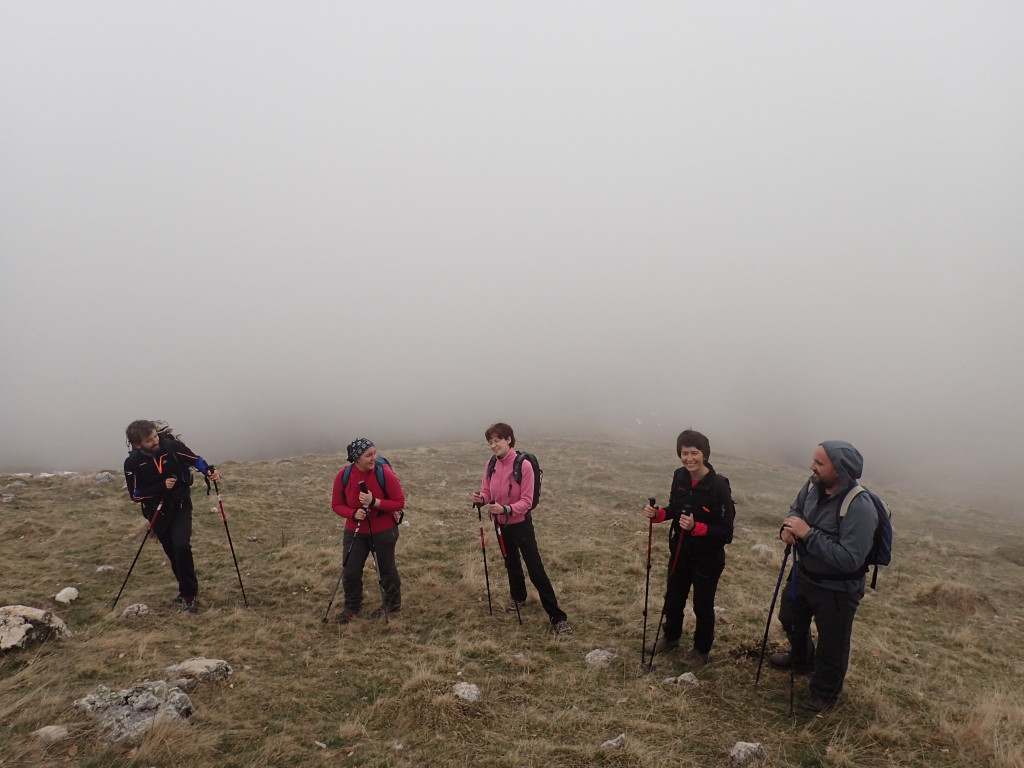
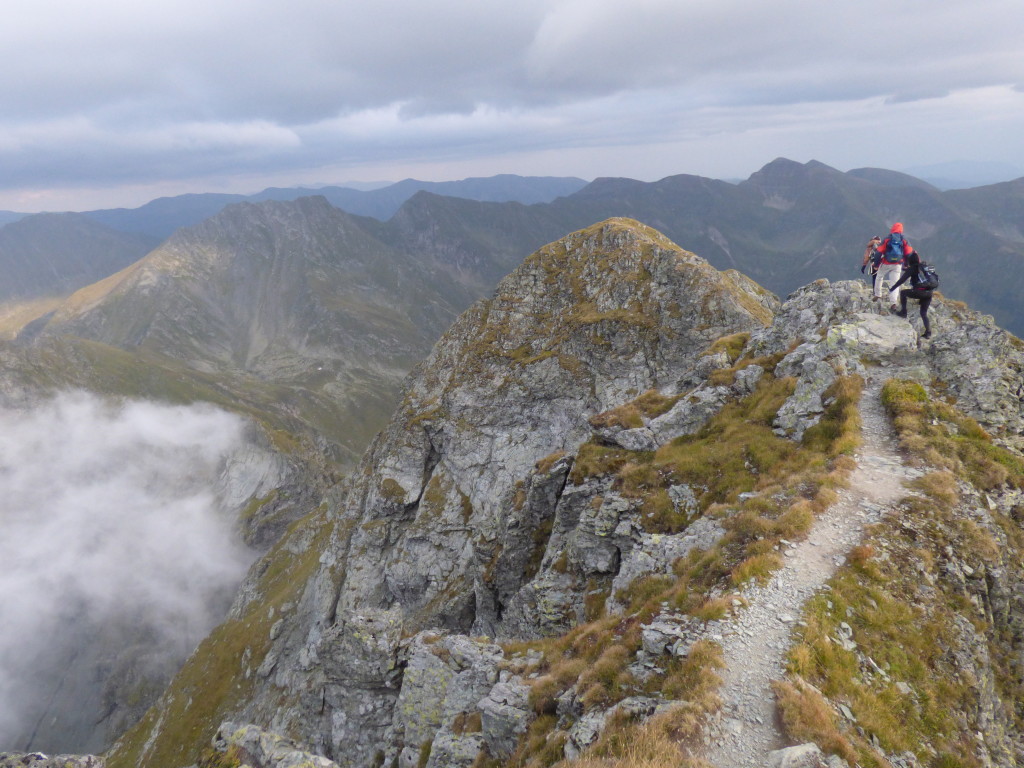


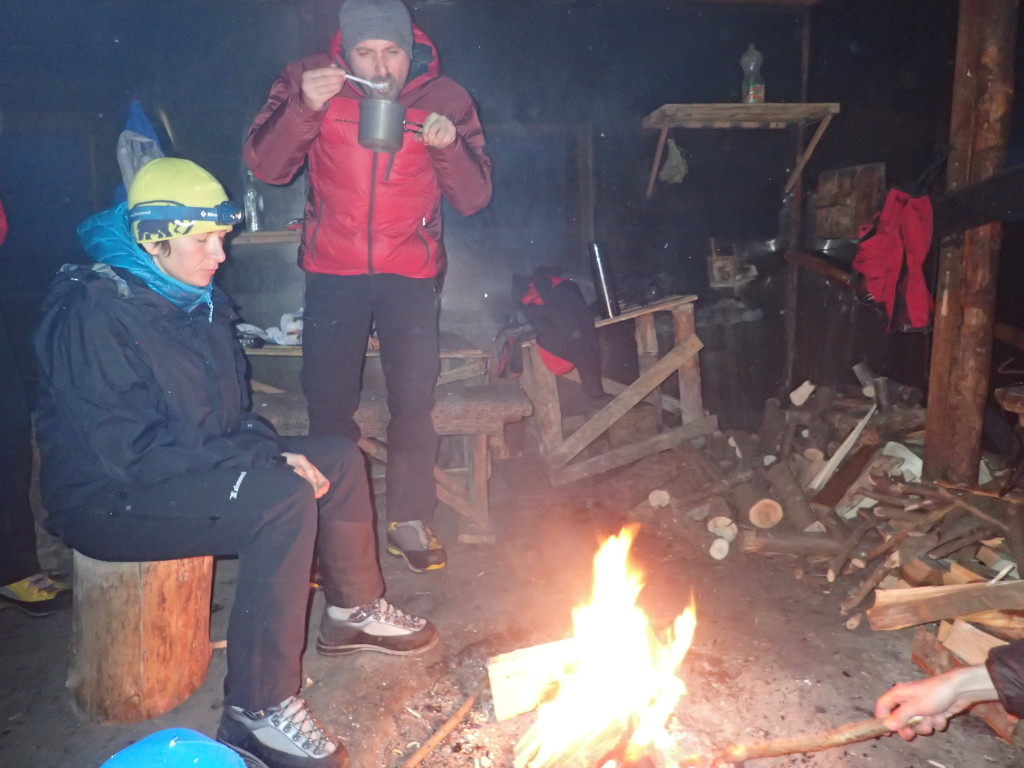
 Campers are still a privileged species here in Romania. Except some easily identifiable locations, such as reservations and parks – which have their own rules you need to consult beforehand – and private properties, you may raise your tent in just about any location you might consider suitable for you. It does not matter if you raise it in a clearance in the woods, on the valley floor next to a rivulet or on an alpine meadow, camping (summer mainly) is at the heart or Romanian mountain tours. So, feel free to put your tent in your backpack and go about camping.
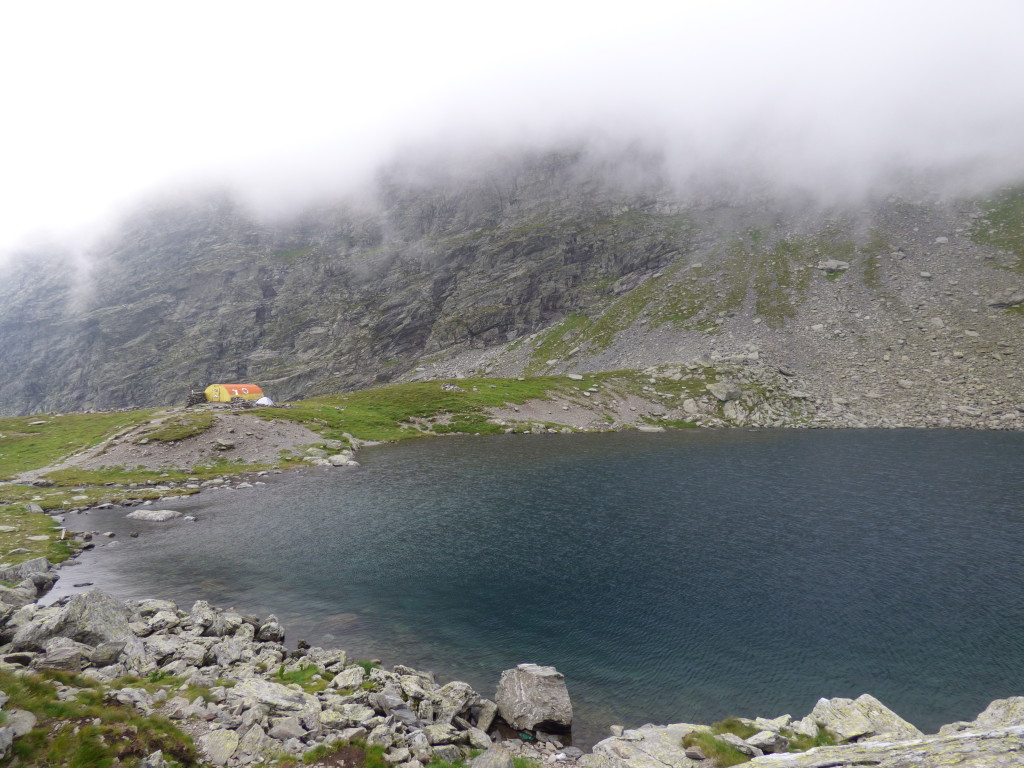 I do not know how you manage your drinking water while in the mountain. Here, in Romanian Carpathians, we do not have that many restraints and drink it directly from most of the rivulets we found on the mountain. It is clean and cold.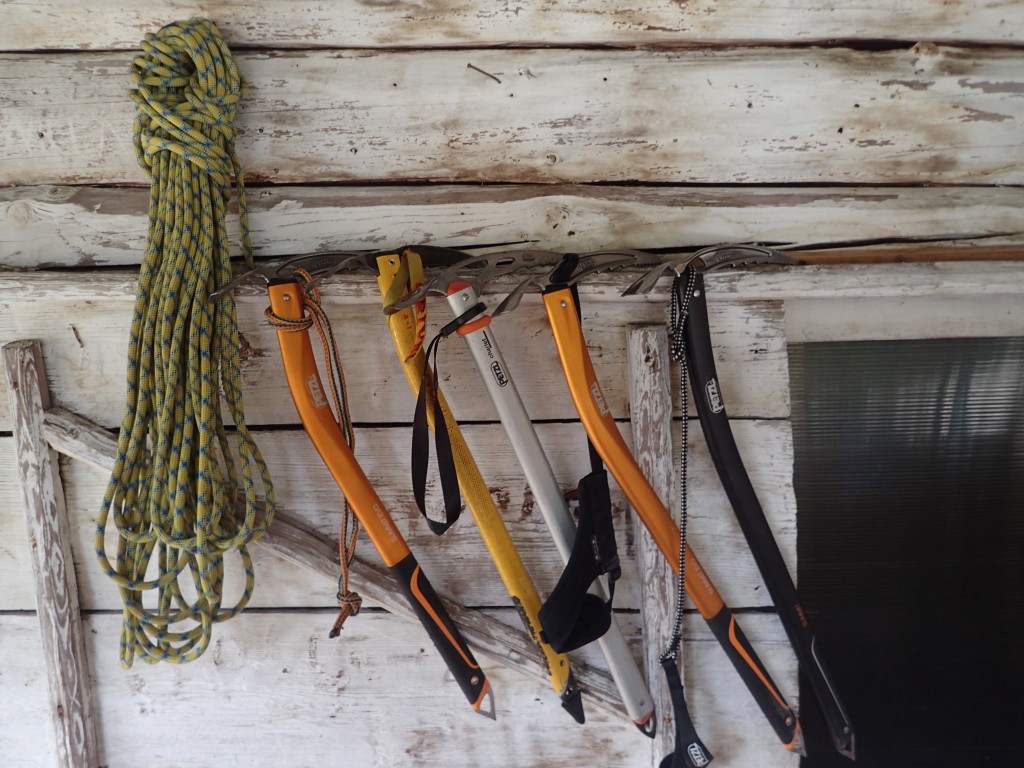

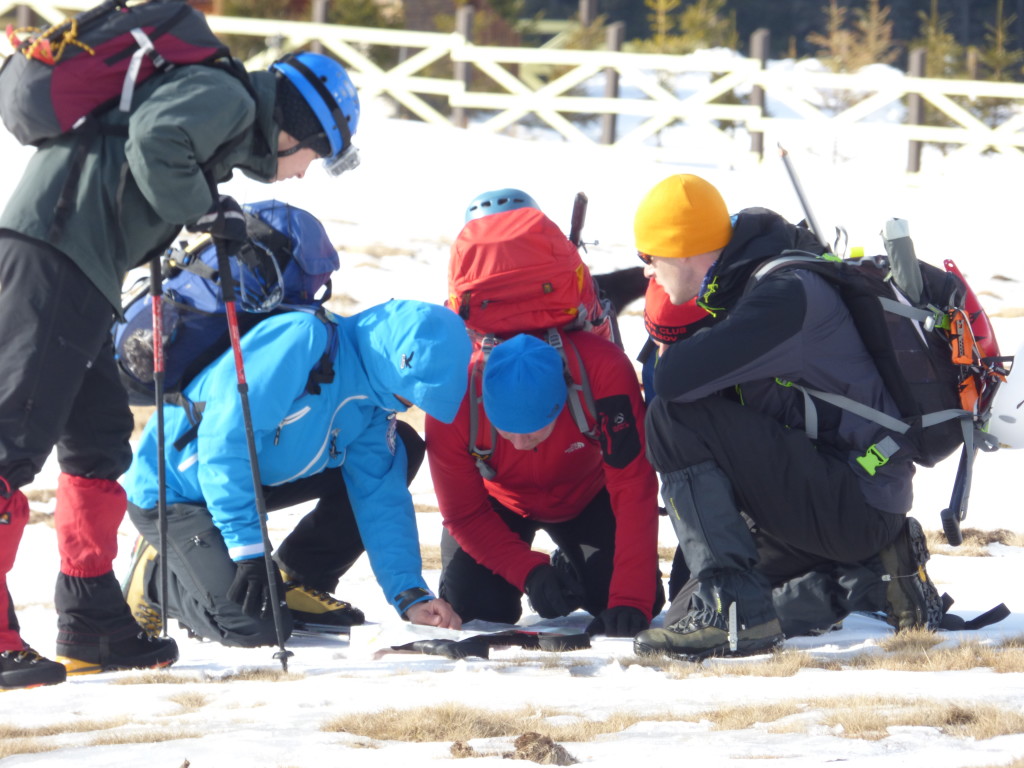
 In Romania each county with mountain terrain has a permanent mountain rescue service backed up also by volunteers. This professional service is called SALVAMONT.


